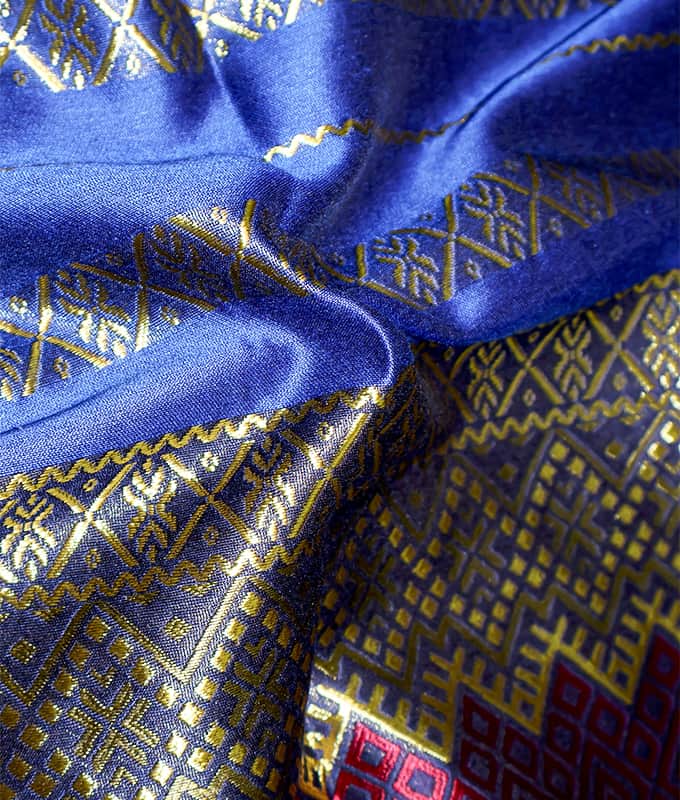
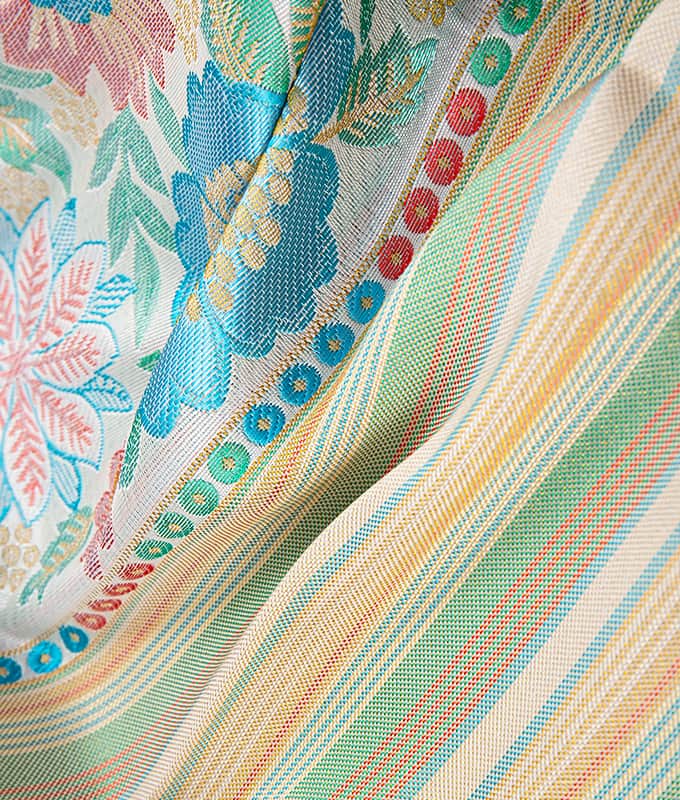
Selyemszerű poliészter jacquard szövet a thai Pha Sinh Sarong számára – a selyemszerű textúra eleganciáját ötvözi a nagy pontosságú jacquard kivite...
See Details


Colorful Southeast Asian Sarong Fabric: Jacquard vs. Batik vs. Ikat Buying Guide
Ipari hírek-What Defines a Colorful Southeast Asian Sarong Fabric?
A sourcing manager scrolls through 50 supplier catalogs, each promising the most vibrant sarong fabric from Southeast Asia. Samples arrive dull, colors bleed after one wash, and order minimums crush the budget. The search for truly colorful, durable fabric ends in frustration unless you know exactly what to look for in construction, dye process, and supplier capability.
Colorful Southeast Asian sarong fabric isn’t simply about bright shades. It’s a combination of three technical markers: color intensity that holds after repeated laundering, pattern definition sharp enough to distinguish fine motifs across yardage, and repeat accuracy that aligns designs seam to seam. The best suppliers deliver fabrics where the hue is saturated, the motifs pop with contrast, and the colorfastness rating exceeds grade 4 on the AATCC scale.
Key characteristics that separate premium goods from commodity fabric include:
- High-chroma disperse or vat dyes that resist UV fading
- Lightfastness of at least 3-4 on the Blue Wool scale for outdoor and resort use
- Tight yarn twist in woven grounds that prevents color bleeding during wet processing
- Clean, unbroken lines in traditional floral, geometric, or temple motifs
- Consistent dye-lot reproduction across thousands of meters
When those elements align, a bolt of sarong fabric becomes more than material for a wrap skirt. It becomes a brand asset that holds its appeal through tropical sun and saltwater—exactly what importers and fashion wholesalers demand.
The Three Pillars of Color: Batik, Ikat, and Jacquard Compared
Colorful sarong fabric emerges from three distinct production processes, each with a unique footprint on cost, lead time, and commercial viability. Wax-resist batik and yarn-dyed ikat carry centuries of artisanal heritage. Modern jacquard weaving, by contrast, puts precision color control into an industrial frame. Choosing the right one starts with understanding what each process delivers for a commercial buyer.
Batik produces saturated color fields through wax blocking and multiple dye dips, often creating the characteristic crackle lines that brands love for handmade authenticity. Ikat binds and dyes yarn bundles before weaving, yielding soft, blurred edges that mimic watercolor. Jacquard weaves pre-dyed yarns into intricate patterns with three-dimensional relief. For bulk production, where color consistency and wash durability dominate the specification, jacquard often wins outright.
| Process | Color Intensity | Pattern Detail | Wash Fastness | Cost per Yard | Lead Time |
|---|---|---|---|---|---|
| Wax-resist batik | High, with distinct crackle effects | Hand-drawn; repeat accuracy limited | Moderate; needs post-treatment | High (labor-intensive) | 2–4 weeks |
| Tie-dye ikat | Soft, blurred watercolor look | Patterns shift naturally | Good; bound yarns lock color | High; skilled artisanal work | 3–6 weeks |
| Jacquard weave | Excellent; color embedded in yarn structure | Precise, repeatable at any volume | Superior; vat-dyed yarns resist fading | Low to medium at scale | 2–3 weeks after design sign-off |
The takeaway for importers: jacquard delivers the fastest path from design approval to full-container shipment without sacrificing color vibrancy. Batik and ikat remain irreplaceable for limited-edition capsules, but when a brand needs 5,000 meters of identical, fade-resistant sarong fabric, jacquard is the commercial workhorse. For a closer look at production-ready options, see the polyester jacquard sarong fabric selection that balances traditional motifs with modern durability.
Material Matters: Polyester, Cotton, or Blends for Your Sarong Fabric
The base fiber dictates how a colorful sarong fabric feels, drapes, and endures. A luminous magenta print on 100% cotton will read differently than the same design on a polyester-cotton blend or full polyester. Each fiber system has trade-offs in breathability, wrinkle recovery, shrinkage, and color retention—factors that directly affect retail returns and customer satisfaction.
| Material | Breathability | Drape | Shrinkage Risk | Color Retention | Typical GSM | Best For |
|---|---|---|---|---|---|---|
| 100% Cotton | Excellent | Soft, casual fall | 5–7% without mercerization | Good with reactive dyes | 90–120 | Premium artisan sarongs, eco-conscious lines |
| Polyester–Cotton Blend | Good | Balanced, slight body | Below 3% | Very good | 100–130 | Resort wear, high-frequency wash cycles |
| 100% Polyester | Moderate (improved with micro-vented weaves) | Crisp, holds pleats and folds | Negligible | Excellent; disperse dyes bond permanently | 110–150 | Mass-market sarongs, beach cover-ups, promotional textiles |
Polyester-cotton blends strike the best balance for brands that want a natural hand feel with reduced aftercare complaints. Pure polyester dominates where price per unit and wash-and-wear performance are non-negotiable. Whichever you choose, always request a pre-production sample washed five times to verify color migration and dimensional stability. Buyers building volume programs often cross-reference these attributes with polyester-cotton blended sarong fabrics that already meet international retailer quality manuals.
Decoding Colors: Cultural Significance and Commercial Appeal
In Southeast Asian markets, color is never arbitrary. A gold-threaded crimson sarong signals prosperity and auspicious beginnings in Thailand. Indigo-dyed cloth carries spiritual gravity in Indonesia, while hot pink and lime green dominate Malaysia’s festive street style. Ignoring these codes can leave inventory stuck on shelves; following them positions your product line as culturally intelligent and commercially sharp.
- Indigo / Deep Blue — Symbolizes authority, protection, and royal lineage across Indonesia and Malaysia. Best used in men’s formal sarongs, temple-attire collections, and heritage capsule lines.
- Crimson / Bright Red — Associated with vitality and luck. Ideal for wedding sarongs, Lunar New Year promotional drops, and celebratory resort wear.
- Gold / Mustard Yellow — Represents divinity and wealth. Works beautifully for ceremonial textiles, luxury sash accents, and limited-edition packaging wraps.
- Hot Pink / Magenta — Youthful and high-energy, widely accepted in Thai and Malaysian casual markets. Excellent for beach cover-ups, teen-targeted lines, and impulse-buy retail sarongs.
- Forest Green / Teal — Connected to nature and calm, growing in demand for eco-branded collections and spa-resort amenities.
Distributors who align seasonal collections with regional color psychology see faster sell-through. For Southeast Asian domestic markets, allocate 60% of the range to culturally resonant hues and 40% to global neutral and pastel palettes that appeal to hotel chains and Western resort shops.
The B2B Sourcing Checklist: From Sample to Bulk Order
Placing a bulk order for colorful sarong fabric without a structured checklist is the fastest route to color mismatch, delayed shipments, and chargebacks. The most successful buyers follow a repeatable six-step sequence that locks quality before committing to production volumes.
- Request a color card and physical swatches. Digital images misrepresent saturation. Insist on a physical lab-dip card showing the exact Pantone or custom hue on the same base fabric you’ll order.
- Confirm pattern repeat dimensions and alignment tolerance. Specify maximum deviation, typically 2–3 mm across a full width, and ask for a 2-meter pattern matching report before proceeding.
- Negotiate MOQ and sampling terms clearly. Clarify whether the sample fee is refundable against the bulk order, and lock the acceptable deviation between sample and production color (Delta E under 1.5).
- Run third-party lab tests for color fastness and tensile strength. Key tests: AATCC 61-2A for washing, AATCC 16.3 for lightfastness, and ISO 13934-1 for tear strength. Demand a certificate before releasing the deposit.
- Order a pilot run and conduct an inline quality audit. Inspect 10% of the pilot lot at the factory or via an independent inspector, checking shade consistency, selvedge finishing, and defect mapping.
- Finalize logistics and packaging. Agree on roll length, core diameter, polybag labeling, and shipping marks. Include a humidity indicator and edge protection for sea freight to prevent transit staining.
Buyers who follow this sequence typically reduce rejection rates by half within the first three procurement cycles. For deeper operational framing, refer to the Southeast Asia sarong fabric sourcing guide that covers regional production hubs and negotiation benchmarks.
Beyond the Sarong: Creative Applications for Modern Brands
Colorful sarong fabric doesn’t have to end its journey as a traditional wrap. Design-savvy brands are cutting the same vivid textiles into resort wear, home decor, and accessories, multiplying margins and extending seasonal relevance.
One South American resort chain runs a silent hit: a sarong-fabric kimono sleeve cover-up that uses the same jacquard lotus pattern as its beach sarong. The fabric weight, between 110 and 130 GSM, allows both garments to hang beautifully from a single SKU. In European boutiques, a similar polyester-cotton sarong cloth appears as a sheer curtain panel with hand-tied fringe, capturing a Mediterranean boho aesthetic. The key is selecting a pattern scale that works on a 140 cm wide fabric without bisecting major motifs when cut into 50 cm widths.
For brands seeking smaller accessory plays, the same vibrant fabric can become oblong scarves, cushion covers, or even decorative table runners for resort dining. The versatile nature of jacquard-ground fabrics means no additional edge finishing is required for many home textile uses, trimming production steps and accelerating time to market.
Why Compliance Matters: Meeting European Eco-Standards
Colorful doesn’t have to mean chemically questionable. European buyers increasingly reject offers that lack OEKO-TEX Standard 100 or REACH compliance documentation, and the trend is accelerating. Supplier-side data indicates that certified sarong fabric shipments experience fewer customs holds and pass retailer audit protocols on the first submission.
Requesting OEKO-TEX certification before placing an order is no longer a premium add-on; it’s a hard requirement for accessing Northern European and North American department store chains. Certified fabrics confirm that no restricted azo dyes, formaldehyde, or heavy metals remain in the finished textile, even after repeated washes. The certification also covers color fastness to saliva and perspiration—critical for garments worn against skin in humid climates.
To verify a supplier’s claim, ask for the certificate number and test report directly from the issuing institute. Cross-check the scope to ensure it covers the exact fiber composition and dye class you intend to order. A five-minute verification can prevent six months of dispute mediation later.
Kapcsolódó termékek
-
-
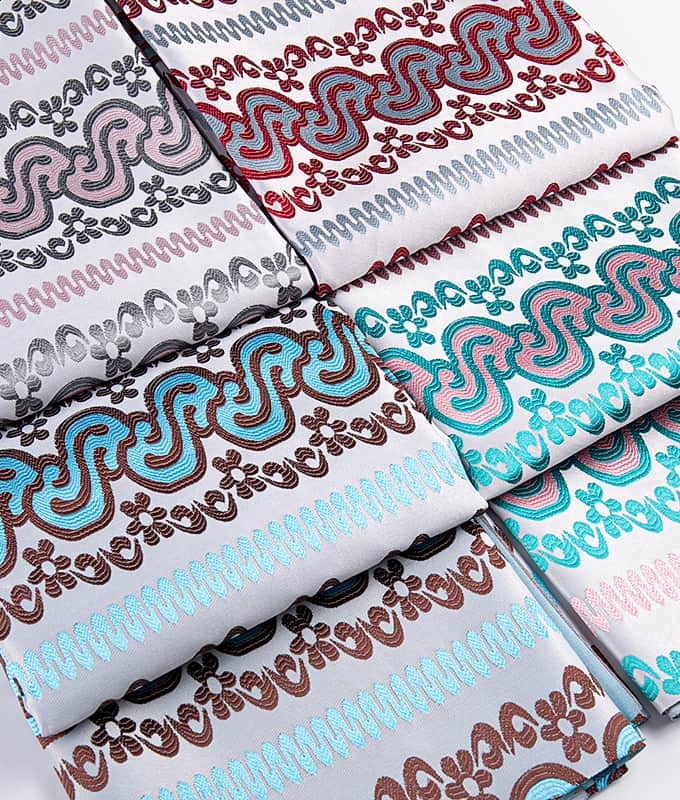
Az S-alakú 3D texturált poliészter jacquard szövet Sarong számára ötvözi az eleganciát a tartóssággal. A fejlett elektronikus jacquard technológiáv...
See Details -
Napraforgómintás poli-pamut szövet Sarong számára – a napraforgó által ihletett, élénk szövet, amely energiát és fényességet sugároz. Puha polipamu...
See Details -
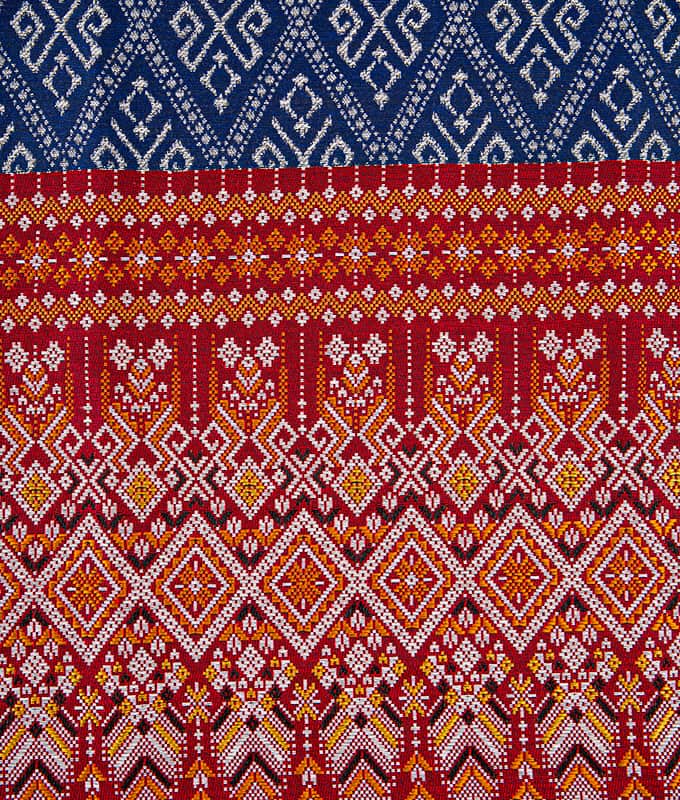
Kézzel varrott stílusú poli-pamut szövet Sarong számára – a stílus és a praktikum kifinomult keveréke, amelyet úgy alakítottak ki, hogy a csőszokny...
See Details -
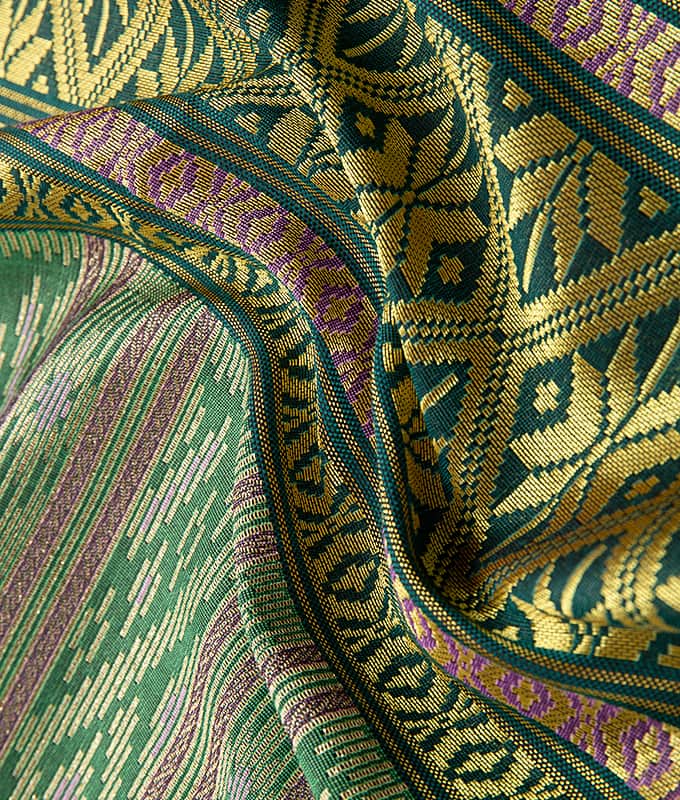
A Vertical Stripe Gold Thread poli-pamut szövet Sarong számára a tartósságot és a kényelmet egy csipetnyi eleganciával ötvözi. A függőlegesen elren...
See Details -
100% poliészter jacquard mintás színes délkelet-ázsiai sarong szövet – tartós, élénk és könnyen kezelhető, úgy tervezték, hogy szépséget és praktik...
See Details

